How to Become a Hypnotherapist in Canada
Training, certification, and career guide. Everything you need to know about building a career in clinical hypnotherapy.
Thinking about a career in hypnotherapy? You're not alone. Interest in clinical hypnotherapy has surged in Canada, but the path to becoming a qualified practitioner is less straightforward than most healthcare careers.
As someone who walked this path myself, going from corporate fraud examination to becoming a Registered Clinical Hypnotherapist, I can tell you the information out there is scattered and often misleading. Some programs promise you'll be “certified” in a weekend. Others require years of training. The truth, as usual, falls somewhere in between.
This guide lays out exactly what it takes to become a hypnotherapist in Canada: the training, the certifications, the costs, the timeline, and the reality of building a career in this field.
What This Guide Covers
- Hypnotist vs. clinical hypnotherapist
- Training paths and hours required
- Key certifications (ARCH, NGH, ACHE, IACT)
- Provincial regulation (or lack thereof)
- Costs and realistic timelines
- Career prospects and earning potential
Hypnotist vs. Clinical Hypnotherapist: What's the Difference?
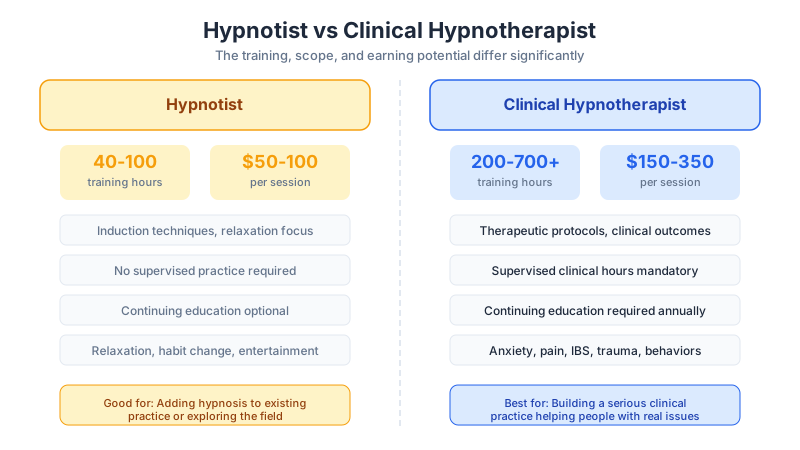
This distinction matters more than most people realize. Both use hypnosis, but the intent, training, and scope of practice are vastly different.
A hypnotist is someone trained in hypnotic induction techniques. This can range from stage performers entertaining crowds to practitioners offering basic relaxation sessions. Basic hypnotist certifications typically require 40 to 100 hours of training and cover fundamental induction techniques, suggestion delivery, and basic client management.
A clinical hypnotherapist is a therapeutic professional who uses hypnosis as a tool within a clinical framework to address specific conditions like anxiety, chronic pain, IBS, trauma, and behavioral patterns. Clinical training requires 200 to 700+ hours and includes psychology fundamentals, therapeutic protocols, ethics, supervised practice, and continuing education.
| Factor | Hypnotist | Clinical Hypnotherapist |
|---|---|---|
| Training Hours | 40-100 hours | 200-700+ hours |
| Focus | Induction techniques, relaxation | Therapeutic protocols, clinical outcomes |
| Scope | Relaxation, habit change, entertainment | Anxiety, pain, IBS, trauma, behavioral issues |
| Supervision | Usually none required | Supervised clinical hours mandatory |
| Continuing Ed | Optional | Required annually |
| Earning Potential | $50-100/session | $150-350/session |
For more on what a clinical hypnotherapist actually does day to day, read our guide: What Is a Hypnotherapist?
Training Paths and Hours Required
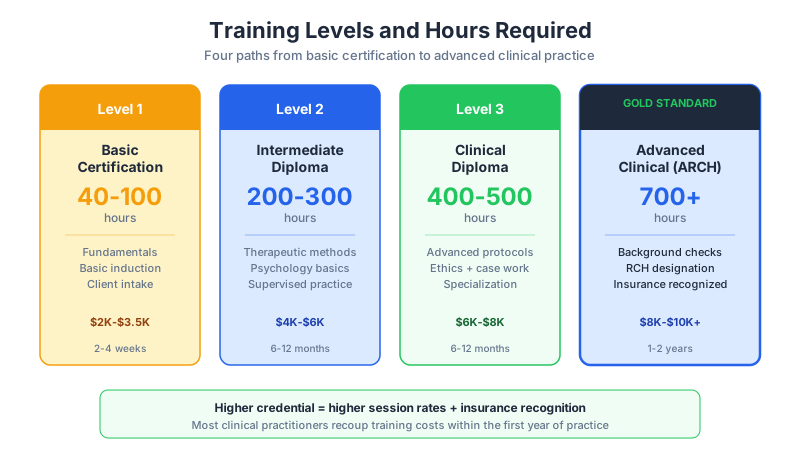
There is no single “right” path to becoming a hypnotherapist in Canada. The training landscape ranges from basic certification programs to comprehensive clinical diplomas. Here is how the levels typically break down.
Basic Certification
Covers fundamental hypnotic induction, basic suggestion techniques, and client intake. Suitable for those exploring the field or adding hypnosis to an existing practice.
Intermediate Diploma
Adds therapeutic frameworks, psychology foundations, specialized techniques (regression, parts therapy), and supervised practice hours. Meets minimum requirements for most certifying bodies.
Clinical Diploma
Comprehensive clinical training including advanced therapeutic protocols, ethics, case formulation, supervised clinical practice, and specialization modules. Standard for serious practitioners.
Advanced Clinical (ARCH Level)
The highest standard in Canada. Includes everything above plus advanced clinical specializations, extensive supervised practice, background checks, and mandatory continuing professional development. This is the ARCH (RCH) designation level.
The training typically covers: hypnotic induction methods, therapeutic suggestion techniques, regression therapy, parts therapy, Ericksonian hypnosis, NLP integration, psychology fundamentals, ethics and professional standards, business practices, and supervised clinical hours.
Key Certifications for Hypnotherapists in Canada
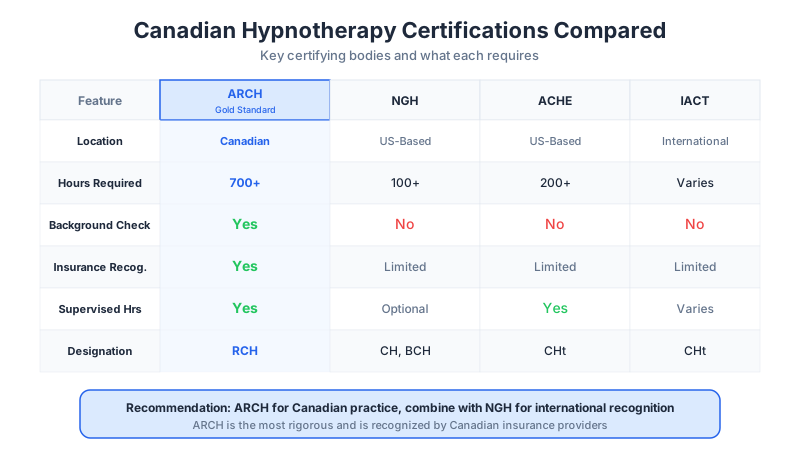
Since Canada has no government licensing for hypnotherapy, professional certification from a recognized body serves as the primary indicator of a practitioner's competence and commitment to ethical practice. Here are the main certifying organizations.
ARCH (Association of Registered Clinical Hypnotherapists)
Canadian - Gold StandardThe most rigorous accrediting body for hypnotherapists in Canada. ARCH grants the RCH (Registered Clinical Hypnotherapist) designation, which requires 700+ hours of approved clinical training, criminal record checks, vulnerable sector screening, supervised practice, and mandatory continuing professional development.
ARCH is recognized by several Canadian insurance providers, making it easier for your clients to claim sessions. This is the credential I hold, and the one I recommend for anyone serious about clinical practice in Canada.
NGH (National Guild of Hypnotists)
US-Based - Widely RecognizedThe largest hypnosis organization in the world. NGH certification requires completion of an approved training program (typically 100+ hours), passing an exam, and adhering to their code of ethics. Well-recognized internationally, though less specific to Canadian practice than ARCH.
ACHE (American Council of Hypnotist Examiners)
US-Based - Clinical FocusOne of the oldest hypnotherapy certifying organizations in North America. ACHE offers a clinical hypnotherapy certification requiring 200+ hours of training. Known for rigorous standards and a clinical orientation.
IACT (International Association of Counselors and Therapists)
InternationalOffers certification for hypnotherapists with a counseling-oriented approach. IACT requires completion of approved training, passing an exam, and ongoing continuing education. Good for practitioners who integrate hypnotherapy with counseling.
Learn more about what these credentials mean in practice on our qualifications page.
Provincial Regulation Status: What “Unregulated” Actually Means
Here is the reality that surprises most people: hypnotherapy is not a regulated health profession in any Canadian province. Unlike physiotherapy, psychology, or nursing, there is no provincial licensing board, no mandatory registration, and no legal requirement for specific training.
In Alberta specifically, this means anyone can legally call themselves a hypnotherapist and start seeing clients tomorrow. No training. No certification. No oversight.
What “Unregulated” Means in Practice
This is precisely why certification matters so much. In the absence of government regulation, your certification is your credibility. Clients, insurance companies, and referring practitioners all use certifications as a proxy for competence.
For aspiring practitioners, this cuts both ways. The low barrier to entry means you can start practicing sooner, but it also means you are competing with practitioners who may have minimal training. Standing out requires investing in rigorous training and credible certification.
See what rigorous training looks like in practice
Learn about our ARCH certification, 700+ hours of clinical training, and evidence-based approach.
View Our Qualifications →Cost of Training Programs
Training costs vary significantly depending on the level of certification you pursue and the institution delivering the program.
| Program Level | Typical Cost | What You Get |
|---|---|---|
| Basic Certification (40-100 hrs) | $2,000 - $3,500 | Foundation skills, basic practice ability |
| Intermediate Diploma (200-300 hrs) | $4,000 - $6,000 | Clinical techniques, supervised practice |
| Clinical Diploma (400-500 hrs) | $6,000 - $8,000 | Full clinical competency, specialization |
| Advanced Clinical / ARCH (700+ hrs) | $8,000 - $10,000+ | RCH designation, insurance recognition, full clinical practice |
Beyond tuition, budget for additional costs: textbooks and materials ($200-500), professional association membership fees ($200-400/year), liability insurance ($300-600/year), background checks ($50-100), and business setup costs if you plan to go independent.
How Long Does It Take?
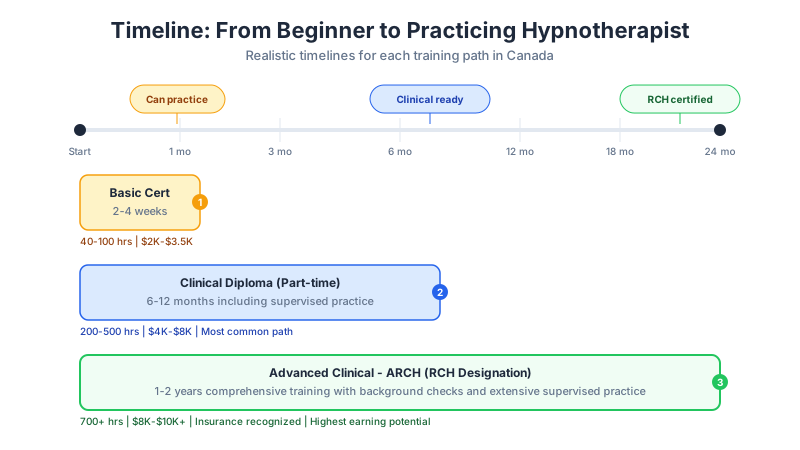
The timeline depends on the training path you choose and whether you are studying full-time or part-time.
Most programs offer flexible scheduling with evening and weekend classes, making it possible to train while maintaining existing employment. Some institutions offer intensive formats that compress the timeline, while others spread training over a longer period with more supervised practice.
Career Prospects and Earning Potential
The demand for qualified hypnotherapists in Canada is growing, driven by increasing awareness of complementary therapies and growing frustration with the limitations of conventional treatment for certain conditions.
How Hypnotherapists Typically Practice
- Private practice (most common): The majority of hypnotherapists in Canada run independent practices, either in-person, virtually, or both. Virtual sessions have opened up the entire country (and beyond) as your potential client base.
- Integrated healthcare settings: Some hypnotherapists work alongside psychologists, physiotherapists, or physicians in multidisciplinary clinics.
- Complementary to existing practice: Many healthcare professionals (counselors, social workers, nurses) add hypnotherapy to their existing skill set.
- Specialized programs: Creating structured programs for specific issues (weight loss, smoking cessation, pain management) including audio products and group sessions.
Earning Potential
Income varies widely depending on your credentials, specialization, location, and business skills.
Typical Session Rates in Canada
Full-time clinical practitioners in Canada typically earn between $60,000 and $120,000+ annually, depending on session volume, specialization, and whether they offer additional products (audio programs, group sessions, workshops).
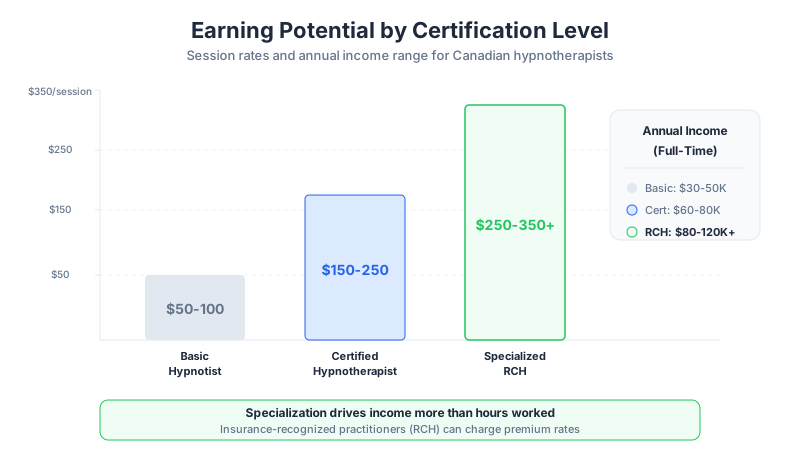
The key to building a sustainable practice is specialization. Generalists who claim to treat everything tend to attract fewer clients than specialists who are known as the go-to expert for specific conditions. At Calgary Hypnosis Center, for example, we focus deeply on a small number of conditions rather than trying to be everything to everyone.
For a deeper understanding of how clinical hypnotherapy actually works in practice, explore our education page.
Frequently Asked Questions
Do I need a license to practice hypnotherapy in Canada?
No. Hypnotherapy is not a regulated profession in any Canadian province, so no government license is required. However, professional certification from a recognized body like ARCH, NGH, or ACHE is strongly recommended for credibility, insurance recognition, and ethical practice.
How long does it take to become a certified hypnotherapist?
It depends on the level of certification. A basic hypnotist certification can be completed in 2-4 weeks. A clinical hypnotherapy diploma takes 6-12 months part-time. The most rigorous certifications (like ARCH's RCH designation) take 1-2 years to complete.
How much does hypnotherapy training cost in Canada?
Training programs range from $2,000 for basic certification to $10,000+ for advanced clinical programs. Most aspiring clinical hypnotherapists invest between $4,000 and $8,000 in their training. Additional costs include association fees, insurance, and business setup.
What is the best hypnotherapy certification in Canada?
ARCH (Association of Registered Clinical Hypnotherapists) is widely considered the gold standard in Canada. Their RCH designation requires the most rigorous training (700+ hours), includes background checks, and is recognized by Canadian insurance providers. For international recognition, NGH is the largest global organization.
Quick Summary
Interested in Experiencing Clinical Hypnotherapy?
If you are exploring a career in hypnotherapy, experiencing a session firsthand is one of the best ways to understand the profession from the inside. And if you are simply curious about what hypnotherapy can do for you personally, that works too.
At Calgary Hypnosis Center, we offer clinical hypnotherapy backed by ARCH certification and 700+ hours of rigorous training. Whether you are a potential future colleague or a potential client, I am happy to answer your questions.
-- Danny
Book a Free Consultation
- Ask questions about the profession or your own concerns
- Experience what a clinical session feels like
- No pressure, no scripts
- 100% virtual sessions available
📅 Currently accepting 4 new weight loss clients per month

Danny Mohan
Registered Clinical Hypnotherapist (RCH) certified by ARCH Canada. After 10+ years in corporate fraud examination for Fortune 100 companies, Danny transitioned to clinical hypnotherapy, bringing his analytical, evidence-based mindset to helping clients with anxiety, gut health, pain reduction, and behavioral change. He practices at Calgary Hypnosis Center, offering 100% virtual sessions across Canada.
Last updated: February 2025
Related Reading
Looking for clinical hypnotherapy in Canada? Learn more about our evidence-based approach.
Visit Calgary Hypnosis Center →